Quick answer
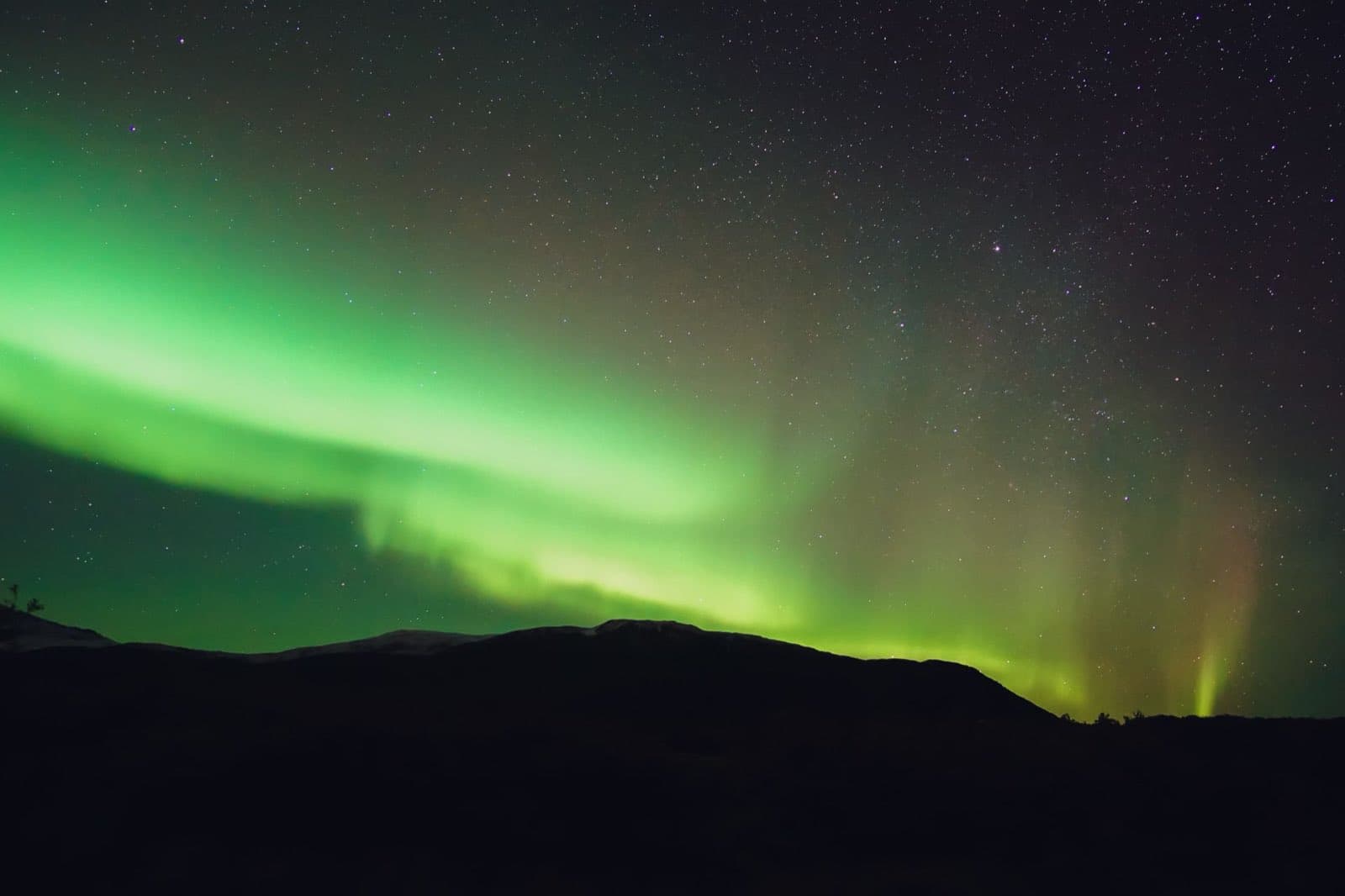
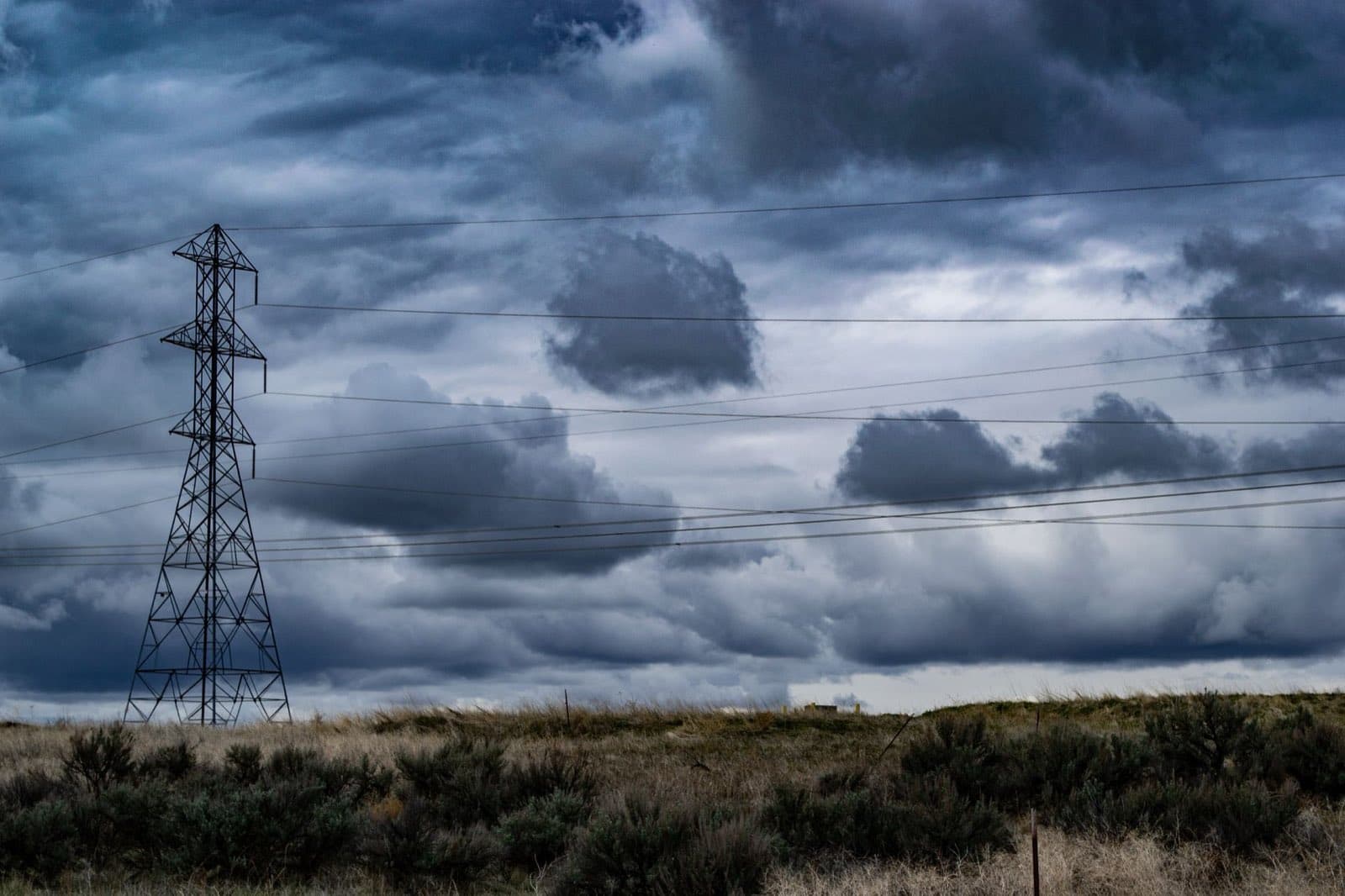
A severe geomagnetic storm induces currents in long power lines that can damage the transformers the grid depends on. The famous precedent set telegraph wires sparking in 1859; the modern version could mean regional outages measured in weeks. You get one to three days of warning as the plasma travels, which is exactly enough time to be glad the two-week grid kit already exists.
Supply numbers are set for 4 people. Change your household size below and every quantity updates.
1 to 3 days
Warning as the CME travels
G5
The scale's top: extreme storm
1859
Carrington event, the benchmark
90 sec
Quebec's 1989 grid collapse time
How a solar storm actually unfolds
The eruption
NOAA's Space Weather Prediction Center spots a coronal mass ejection leaving the sun, aimed our way. Warnings go out with one to three days of lead.
The travel window
Utilities preposition crews and prepare to shed load. Your version: charge everything, bank water, top the tank, and plan to watch the sky.
Arrival
Auroras far south of normal, GPS wobbles, and grid operators fight induced currents in real time. Most storms end here, as a light show.
The rare bad case
Transformer damage turns hours into weeks somewhere on the grid map. The household plan is the grid failure plan, already on the shelf.
Your household's number
What do those 14 days take for your house?
The figures above are sized for a typical household. Set yours and you'll get the calories, gallons of water, and what they cost for your people. About a minute, no signup.
Food and water calculator
How much food and water does your household need?
Adults
Children
For how long
You'd need
98,000calories
plus 56 gallons of water, around $185 to buy.
For 2 adults, 2 children, 2 weeks.
That's the target. Provision Planner counts what you already have and shows you what's left to buy.
See how close you arePlay it out
Three days of warning, three decisions
A G4 watch with G5 potential, played honestly from your kitchen.
Scene 1 of 3
Tuesday. NOAA announces a strong CME, Earth-directed, arrival Thursday night. The news alternates between aurora viewing tips and grid warnings. Group chats choose sides: party or apocalypse.
Prefer to read it straight through?
Scene 1
Tuesday. NOAA announces a strong CME, Earth-directed, arrival Thursday night. The news alternates between aurora viewing tips and grid warnings. Group chats choose sides: party or apocalypse.
If you it's an aurora story. plan the viewing snacks: The snacks are a good call, honestly. But the same 48 hours could also have topped off water, charged the banks, and pulled cash, all invisible efforts if nothing happens. Viewing party with no backstop is a bet, not a plan.
If you both: viewing snacks and the quiet 30-minute top-off: Banks charged, tubs ready to fill, tank above half, $100 in bills, and marshmallows. If Thursday is just beautiful, you hosted the best aurora night on the street. If it is more, you were already done preparing.
Field note: Space weather is the rare disaster with a countdown. One to three days of CME travel time is a gift; the households that use the window quietly never look silly, just ready.
Scene 2
Thursday, 11pm. The sky is green and purple to the southern horizon, genuinely once-in-a-generation. Then the neighborhood lights flicker, recover, flicker, and drop. The aurora is suddenly the only light there is.
If you assume it's a normal outage, back to bed: Fair guess, wrong context: an outage during a G5 storm is potentially a different animal, and the first hours of information matter. You wake to a phone with no network and a day-old picture of the world.
If you radio on, water banked, then back out to watch the sky: The crank radio catches the utility's load-shed announcement, the tub fills in twelve minutes, and then you go back outside, because the sky is doing something your grandchildren will ask about. Preparedness and wonder are not opposites.
Field note: During the 1989 storm, Quebec's grid went from normal to province-wide blackout in 90 seconds. Outages during geomagnetic storms deserve the long-outage protocol from minute one.
Scene 3
Day 5. Your region drew the short straw: two transformers damaged, restoration in phased weeks. The house runs on the kit. A coworker calls, offering to sell you his spare generator for triple the normal price.
If you panic-buy the generator. weeks is a long time: Six hundred dollars later, you own a machine with no fuel plan: pumps are down and stations are dry. It sits in the garage as a very expensive shelf. The kit was already carrying the load; fear just bought a monument.
If you decline. run the math on what the kit actually covers: The inventory says water and food cover the restoration window with margin, light and radio are battery-solved, and the fridge era already ended gracefully. The kit was built for exactly this. Weeks are long, but they are covered, and covered beats equipped.
Field note: Panic purchases during an event cost triple and solve the wrong problem. The audit that matters is days of coverage, and it is knowable from your own shelves.
The solar storm checklist
People in your household
One page per scenario: quantities resize in place, and the link you share always shows this plan.
Your head start
0 of 14 days covered
0 of 12 essentials on hand
Tick what you already own.Save this as your real plan →Supplies buy you days. Gear keeps those days livable. Most families discover they start around day 3.
| Item | For 4 people | Why it matters | Covers | |
|---|---|---|---|---|
| Water · 56 gallons total | ||||
| Bottled water, 24-pack cases | 11 cases (about 34 gal) | Sealed, portable, splits between rooms and the car. | Days 1 to 9 | |
| 5-gallon water jugs | 5 jugs | The cheapest gallons you can store. Fill spares before the event, not during. | Days 10 to 14 | |
| Water purification tablets | 1 pack | Turns suspect tap or tub water into drinking water after day 14. | Backup | |
| Food, no cooking required | ||||
| Canned protein: tuna, chicken, beans | 36 cans | Eats straight from the can when the stove is out. | No cooking | |
| Canned vegetables and fruit | 40 cans | Fluids and vitamins while the fridge is dark. | No cooking | |
| Peanut butter | 4 large jars | 2,650 calories per jar, no prep, kids will actually eat it. | No cooking | |
| Crackers, tortillas, granola bars | 8 boxes plus a dozen bars | The bread aisle empties first. These keep for months instead of days. | No cooking | |
| Oats and shelf-stable milk | 12 cartons plus a canister of oats | Breakfast without power, and the milk needs no fridge until opened. | No cooking | |
| Power, light, and news | ||||
| Flashlights or headlamps | 5 flashlights | One per person plus a spare. Candles start fires in dark houses. | All week | |
| Batteries in every size you use | 2 packs per size | The thing that runs out on day 2 if you guess. | All week | |
| Phone battery banks, fully charged | 2 banks | Your phone is your flashlight, radio, and lifeline. Top the banks up the moment trouble is forecast. | All week | |
| NOAA weather radio, battery or crank | 1 | When cell towers and wifi fail, official updates still reach you here. | All week | |
| The warning window jobs | ||||
| Battery banks charged | 2 banks | The one to three day travel window is for topping these off. | Window | |
| Cash in small bills | Two weeks of essentials worth | Payment networks ride the grid. | Window | |
| Tub and container fill plan | Know the order | Water pressure follows the grid down. Fill while the CME is still traveling. | Window | |
| Health and documents | ||||
| First aid kit | 1 | Minor injuries spike during cleanup, exactly when help is hardest to reach. | All week | |
| Prescription medications | 14-day supply each | Pharmacies reopen slowly. Ask your pharmacist about an emergency refill before you need it. | 2 weeks | |
| Documents in a waterproof bag | IDs, insurance, cash in small bills | ATMs and card readers die with the power. | Grab and go | |
| Manual can opener | 1 | Most of the calories above are locked inside cans without it. | Critical | |
Identical bones to the grid failure kit, because a severe geomagnetic storm IS a grid failure with advance notice and a light show. Print this page to take it shopping.
In the app
When NOAA gives you 48 hours, know exactly what to top off
Provision Planner has a built-in Solar Storm scenario. It knows your kit, shows the gaps while the CME is still traveling, and its severe weather alerts carry NOAA notices so the warning and the checklist arrive together.
Run the solar storm scenarioSolar Storm scenario
Water
14 days
Food
15 days
Top-off list
3 items
Alerts
Live
Computed from your real inventory. Updates itself as things expire.
Frequently asked questions
What actually happens to the grid in a solar storm?
Geomagnetic storms induce direct currents in long transmission lines, which can saturate and overheat large transformers. Operators fight it by shedding load and re-routing; in extreme cases equipment fails, and large transformers are slow to replace. That is the whole mechanism, and it is why household prep equals long-outage prep.
How much warning would we get?
Coronal mass ejections take one to three days to travel from the sun, and NOAA's Space Weather Prediction Center watches them leave. Expect watches and warnings similar in rhythm to hurricane advisories, measured in days rather than minutes.
Has a solar storm ever caused a blackout?
Yes. The March 1989 storm collapsed Quebec's grid in about 90 seconds, leaving six million people dark for nine hours, and the 1859 Carrington event electrified telegraph lines. A Carrington-class storm against today's grid is the planning case for outages measured in weeks.
Do solar storms hurt people directly?
No. The atmosphere shields biology; the risk routes entirely through infrastructure: power, GPS, aviation routing, and satellites. If the sky is glowing, enjoy it. The preparation lives on your shelves, not in shielding.
Explore more scenarios
Every scenario gets the same treatment: the event, the supplies, the timeline, and your number.
 Scenario 07Grid Failure
 Scenario 08EMP Attack
 Scenario 06Power Outage
 Scenario 13Food Shortage34 scenarios, one libraryBrowse them all →
Go deeper: 2-Week Supply Plan for 4 People · Food Storage Calculator
Space weather framing follows NOAA's Space Weather Prediction Center; grid impact framing follows documented 1859, 1989, and 2003 events. This is general planning guidance: adjust for your household. Photography: NASA image library and Pexels, used under their respective licenses.