How Much Bleach to Purify Water: The Exact Drops Per Gallon
October 3, 2026 · 3min read · Reviewed against FEMA & CDC guidance
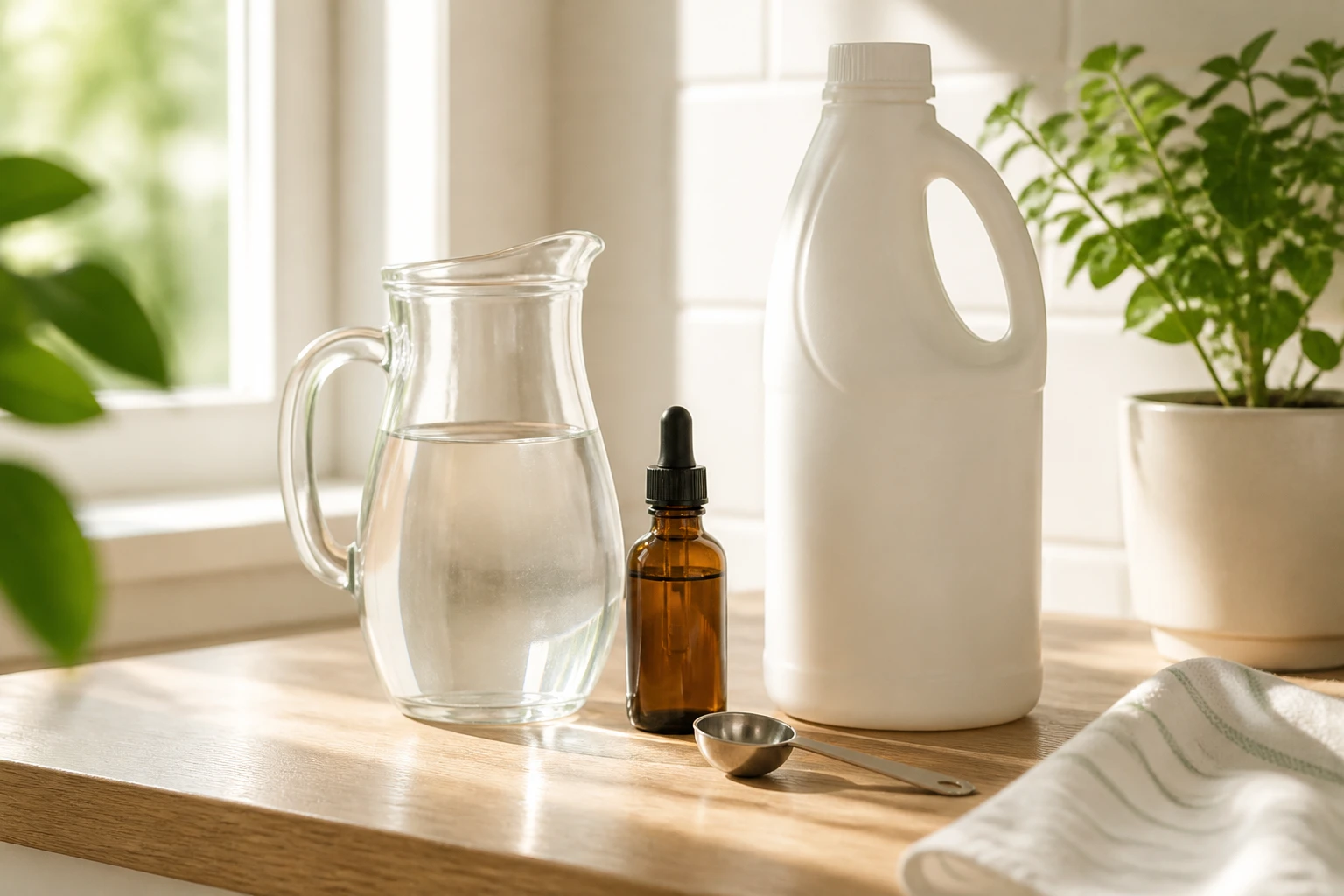
A boil-water notice goes out, the stove is down with the power, and somewhere online someone is confidently telling people to "add a capful of bleach." A capful is not a measurement. The real numbers come from the CDC, and they are small: 8 drops of regular unscented bleach per gallon of clear water.
Here is the whole method, including the parts people skip.
The ratios, by container
These doses assume regular unscented household bleach at 6% sodium hypochlorite, the common strength printed on the label. For 8.25% bleach, use the lower number.
| Water | 6% bleach | 8.25% bleach |
|---|---|---|
| 1 quart | 2 drops | 2 drops |
| 1 gallon | 8 drops (1/8 tsp) | 6 drops |
| 5 gallons | 40 drops (about 1/2 tsp) | 30 drops |
Stir it in, then wait 30 minutes. The water should carry a faint chlorine smell. No smell at all means the dose got used up fighting contamination: repeat it once and wait another 15 minutes. If it still smells like nothing after a second dose, the water is too dirty for bleach and needs boiling or a different source.
Cloudy water gets two extra steps. Pour it through a clean cloth, coffee filter, or paper towel first, then double the dose above.
Food and water calculator
How much food and water does your household need?
Adults
Children
For how long
You'd need
98,000calories
plus 56 gallons of water, around $185 to buy.
For 2 adults, 2 children, 2 weeks.
That's the target. Provision Planner counts what you already have and shows you what's left to buy.
See how close you areWhich bleach, and how old
Three label checks before a single drop goes in:
- Unscented only. Lemon, "splashless", and color-safe formulas carry additives that do not belong in drinking water, and splashless is usually too dilute to disinfect at all.
- 5% to 9% sodium hypochlorite on the ingredient line. That range covers regular household bleach.
- Under a year old. Bleach loses strength on the shelf, faster in heat. The bottle that has lived in the garage since two summers ago may be half as strong as its label, which is a bad property in a disinfectant you are measuring by the drop. Date the cap when you buy it.
When bleach is the wrong answer
Bleach earns its place in a kit because it is cheap and treats a lot of water per bottle. It is still the second-best option most of the time. A full rolling boil for one minute (three minutes above 6,500 feet) kills everything bleach kills plus Cryptosporidium, the parasite chlorine struggles with. When the stove works, boil.
And no home treatment fixes chemical problems. Water carrying fuel, solvents, or pesticide runoff stays dangerous no matter what you add to it. After a flood, assume shallow wells and anything that smells of fuel are off the table, and fall back on the water already sitting in your house: the water heater, the pipes, the ice maker.
One scope note, because the searches blur together: these ratios are for drinking water. Sanitizing countertops or flood-touched surfaces uses far stronger mixes that you must never drink. Same bottle, different job.
Treatment is the backup. Storage is the plan.
A bleach bottle rescues water you were not planning to drink. Cheaper and calmer is having the water already stored: the standard target is one gallon per person per day, and the right containers make that easy to keep in a closet.
How many gallons does your own household actually need, and how many do you have right now? Provision Planner tracks your stored water alongside your food and shows the day count for your family, so the next boil-water notice is a non-event at your house.
Frequently asked questions
- How many drops of bleach purify a gallon of water?
- For clear water, 8 drops (about 1/8 teaspoon) of regular unscented 6% household bleach per gallon, or 6 drops of 8.25% bleach. Stir, then let it stand 30 minutes. If the water is cloudy, filter it through cloth first and double the dose.
- Can I use scented or splashless bleach to treat drinking water?
- No. Only plain, unscented household bleach with 5% to 9% sodium hypochlorite is safe for water treatment. Scented, splashless, and color-safe products contain additives you should not drink, and splashless bleach is often too weak to disinfect anyway.
- Does bleach kill everything in bad water?
- No. Chlorine handles most bacteria and viruses but does not reliably kill Cryptosporidium, and no chemical removes fuel, pesticides, or other toxins. Boiling is stronger when you have heat, and nothing rescues chemically contaminated water.
You did the reading. Now get your number.
Provision Planner does this article's math for your real household, automatically, and keeps it current as supplies come and go.