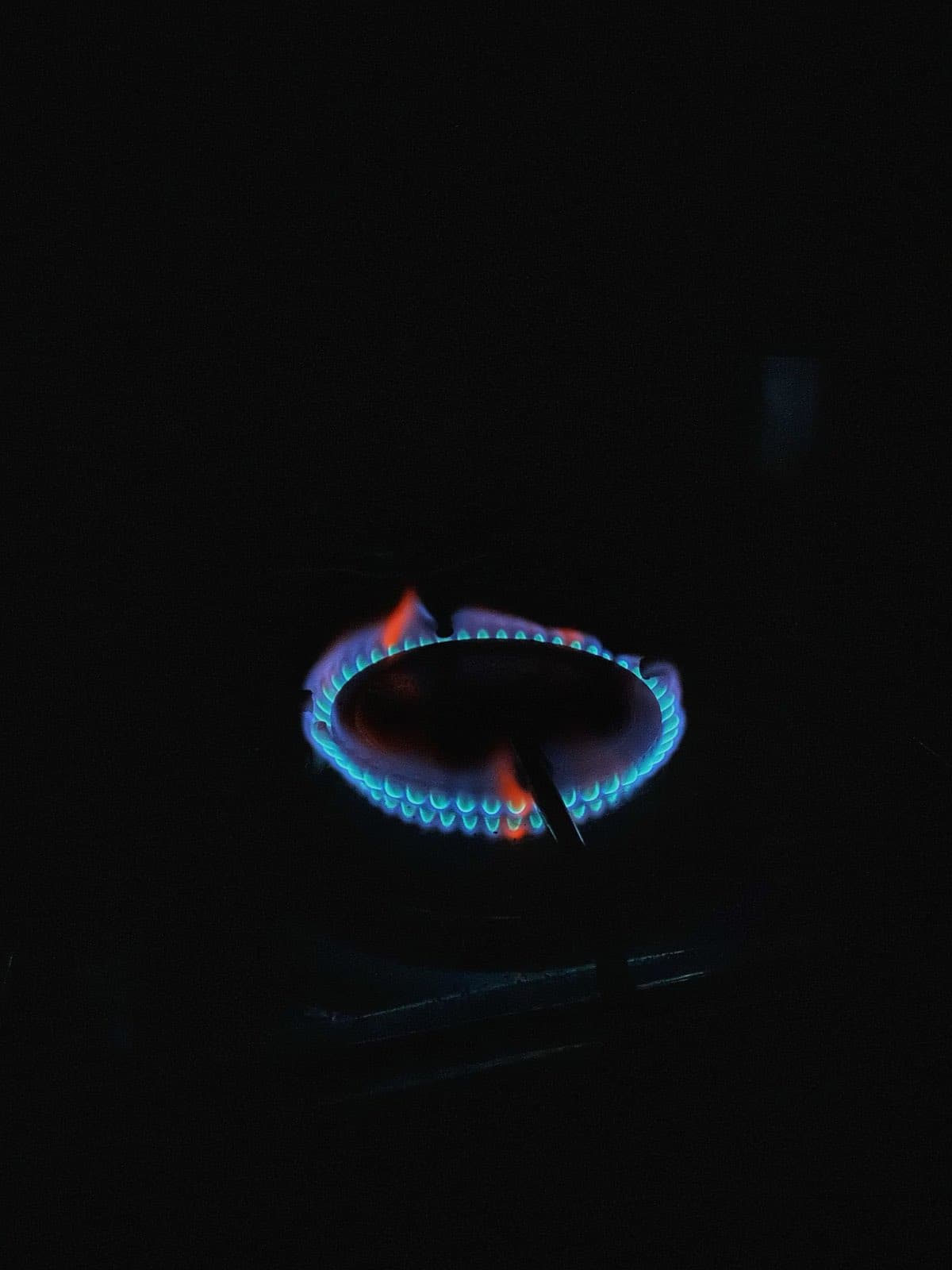
Quick answer
Gas leak: smell rotten eggs, touch nothing electrical, get everyone out walking not flipping, and call the utility from outside. Carbon monoxide: it has no smell, which is the entire reason CO alarms exist on every sleeping floor. Both protocols fit on an index card, and both fail only when someone pauses to investigate first.
This is a protocol scenario: the checklist below is alarms and habits, not supplies.
Rotten eggs
The added odor that means leave
No switches
Lights and phones wait for outside
Every floor
CO alarm placement rule
From outside
Where every call gets made
How the protocols actually run
The smell or the alarm
Rotten eggs, a hissing line, or the CO alarm's pattern. Both protocols begin the same way: believe the signal immediately.
The exit
Everyone walks out. No light switches, no phone calls inside, no appliance checks, doors left open behind you for ventilation.
The calls
From the sidewalk or a neighbor's: gas utility for leaks, 911 for CO alarms with symptoms. Utilities run 24-hour lines and take these seriously at any hour.
The return
Only when the utility or fire department clears the building. They measure, you wait. Re-entry on a hunch is how close calls stop being close.
Play it out
One strange smell, three decisions
A faint rotten-egg smell in the hallway at 11pm. Play it by the card.
Scene 1 of 3
11:05pm. Brushing teeth, and there it is: faint rotten eggs near the kitchen. The stove knobs look off. The smell is subtle enough to argue about, and the house is asleep.
Prefer to read it straight through?
Scene 1
11:05pm. Brushing teeth, and there it is: faint rotten eggs near the kitchen. The stove knobs look off. The smell is subtle enough to argue about, and the house is asleep.
If you investigate first: sniff each burner, check the pilot, maybe air it out: Ten minutes of amateur gas detection with your nose an inch from appliances. Usually the story ends with a loose knob and no harm, and the utility techs who take these calls can list the times it did not. Investigation is their job, with their meters.
If you wake the house, walk everyone out, no switches on the way: Four people and a confused dog on the sidewalk in coats over pajamas, feeling faintly ridiculous, which is the protocol working. The utility's emergency line answers on the second ring and a truck is en route before midnight.
Field note: Gas is odorized precisely so that faint smell can be trusted as a leave signal. The protocol is deliberately humble: noses find leaks, meters measure them, and the measuring happens after you are out.
Scene 2
On the way out, passing the hallway: the light switch is right there, and the stairs are dark. Muscle memory has flipped that switch ten thousand times.
If you flip it. dark stairs are their own hazard: Almost always nothing. But a switch is a tiny spark by design, and a gas-air mix in the right range asks for exactly one. This is the single most repeated mistake in leak responses, purely because hands are faster than protocols.
If you phone flashlight was already on from the bedroom. switches stay put: The flashlight habit, started at the bedroom door, carries everyone down the stairs with zero contact with the electrical system. Outside, you realize the phone call also waited until the sidewalk, which was the card's other line.
Field note: During a suspected leak, anything that can spark waits: switches, phones in the house, garage doors, car ignitions in attached garages. Light travels with you if it was already on before the smell.
Scene 3
A different night, February. 3am, the upstairs CO alarm fires. No smell, because there never is one. Everyone is groggy, and the furnace has been working hard all week.
If you pull the battery. it's probably the alarm being dramatic at 3am: Groggy logic at its finest: the alarm with one job gets silenced for doing it. CO symptoms read exactly like the sleepiness everyone already feels, which is the trap. Most nights this gamble is survivable. It is not a gamble alarms were invented to allow.
If you treat it as real: everyone outside, 911, count heads and headaches: Cold sidewalk, blankets, and the fire department's meter finds a failing furnace heat exchanger pushing CO. The furnace gets condemned until repair, the house gets aired, and the 3am alarm goes down as the best forty dollars the household ever spent.
Field note: CO is odorless and its symptoms mimic ordinary tiredness, which is why the alarm outranks how everyone feels. Alarm sounds, people leave, professionals measure: no exceptions at 3am.
The gas and CO checklist
Your head start
0 of 7 essentials on hand
Tick what you already have. Every item on this list earns its place.
| Item | Quantity | Why it matters | Covers | |
|---|---|---|---|---|
| Alarms | ||||
| CO alarms, every sleeping floor | 1 per floor minimum | CO has no smell, no color, and symptoms that imitate sleepiness. The alarm is the only detector. | Critical | |
| Combo smoke and CO units where sensible | Bedrooms and halls | One ceiling spot, both invisible problems covered. | Critical | |
| Battery backup on plug-in alarms | Check twice a year | Furnace failures and power outages travel together in winter. | Habit | |
| The protocol layer | ||||
| The index card on the fridge | Smell gas: out, no switches, call from outside | Protocols beat memory at 11pm, and beat groggy at 3am. | Protocol | |
| Utility emergency number saved in every phone | All adults and teens | The 24-hour leak line answers faster than searching for it on the sidewalk. | Protocol | |
| Annual furnace and appliance service | Each fall | The failing heat exchanger is found in October or at 3am. Pick October. | Habit | |
| Know where the meter shutoff is | Look once, wrench zip-tied | Only shut off if instructed or clearly necessary; relights are the utility's job. | Know-how | |
Forty dollars of alarms and one taped-up index card cover this entire scenario. Print the card half of this page.
In the app
Alarms expire. Service dates slip. The app keeps score.
Provision Planner has a built-in Gas and CO scenario: alarm locations and ages, battery check reminders, the fall service date, and the protocol card where the whole household can find it.
Run the gas safety scenarioGas Leak and Carbon Monoxide scenario
CO alarms
3 tracked
Oldest alarm
6 years
Furnace service
Booked Oct
Protocol card
Shared
Computed from your real inventory. Reminders keep the checks honest.
Frequently asked questions
What does a gas leak smell like?
Rotten eggs or sulfur: an odorant added to natural gas specifically so leaks announce themselves. Any unexplained whiff of it near appliances or lines is a leave-and-call signal, not an investigate signal.
Why can't I flip lights or use my phone inside during a leak?
Switches, phones, doorbells, and ignitions can all produce the tiny spark that a gas-air mixture is waiting for. Everything electrical waits until you are outside, which is also where the utility call happens.
Where do CO alarms go?
At least one per sleeping floor, near bedrooms, and one near any attached garage. CO mixes with room air, so wall or ceiling placement both work; what matters is that sleeping people are within earshot.
The CO alarm went off but everyone feels fine. Now what?
Leave and call anyway: early CO exposure feels like nothing or like ordinary tiredness, and the alarm triggers well before symptoms have to appear. Let the fire department's meter decide whether the house is fine. It usually is, and that is the system working.
Explore more scenarios
Every scenario gets the same treatment: the event, the supplies, the timeline, and your number.
 Scenario 15House Fire
 Scenario 06Power Outage
 Scenario 17Shelter in Place
 Scenario 18Stranded in Your Car
 Scenario 03Earthquake34 scenarios, one libraryBrowse them all →
Go deeper: Emergency Plan features in the app · Food Storage Calculator
Protocols follow gas utility safety practice and CPSC guidance. If you smell gas right now, close this tab, walk outside, and call your utility's emergency line from there. Photography: NASA image library and Pexels, used under their respective licenses.